Shoulder recovery
How to use a cold therapy machine after shoulder surgery, a safe setup guide
Shoulder surgery, whether it is a rotator cuff repair or a stabilisation, tends to be genuinely painful in the first week or two. A cold therapy machine helps by managing pain and swelling with a steady, set temperature you cannot get from a bag of ice. The catch is that it only helps when it is set up and used properly.
This is a practical guide to running a cold therapy machine safely at home after shoulder surgery. Follow the specific instructions from your surgeon first, and use this to fill in the everyday details.
Setting the machine up
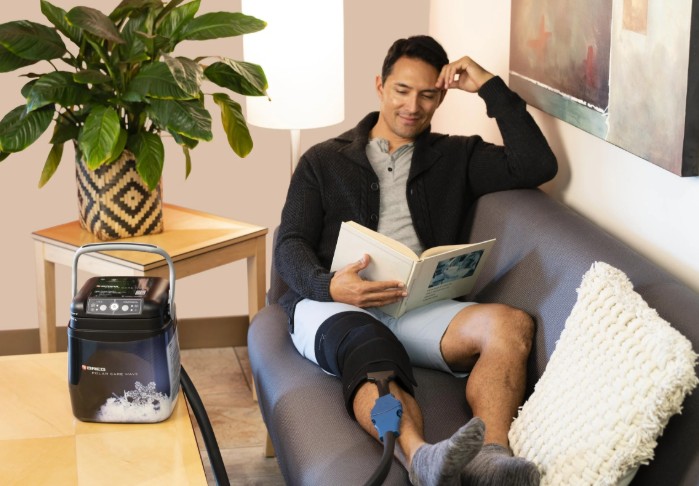
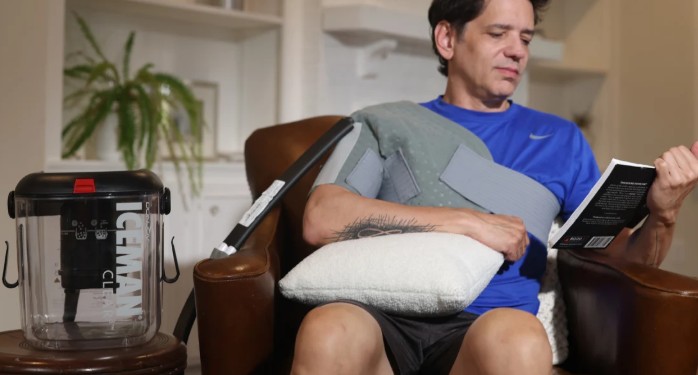
Stand the unit on a flat, stable surface near where you will rest, so the hose reaches comfortably without pulling. Fill the reservoir with ice and water to the marked line. Some units run best with distilled water because it reduces mineral build up over time.
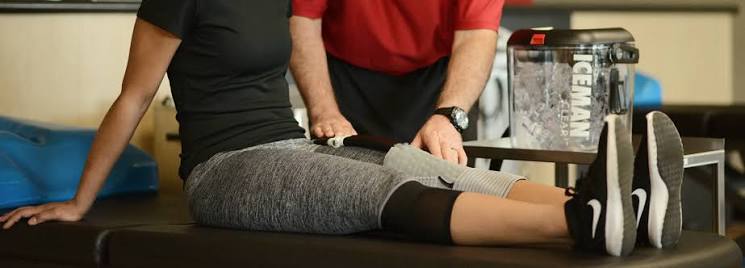
Connect the hose firmly to the shoulder pad so it does not leak, then position the pad over the surgical site. Use the straps to hold it snug, but never so tight that it digs in or restricts your circulation.
Protecting your skin
Never put the pad directly against bare skin. Always place a thin towel, cloth or a light t-shirt between the pad and your shoulder to prevent an ice burn or frostbite. This single habit prevents the most common cold therapy injury.
Check the skin under the pad regularly for redness, numbness or unusual colour. If you see any of those signs, stop the session and let the skin recover before you start again.
How long and how often to run it
Keep each session to around 15 to 20 minutes. Running it far longer does not improve results and it raises the risk of skin damage. Let the shoulder warm back to normal before the next session.
In the first 48 hours to one week, sessions every two to three hours through the day are commonly recommended, then you ease off as the pain and swelling settle. It is generally advised not to sleep with the machine running, because prolonged cold you cannot monitor can lead to nerve or skin injury.
Cleaning and upkeep
After each use, unplug the unit, drain the reservoir and wipe the surfaces and hose with mild soap and water. Let everything dry fully before storage so mould and bacteria cannot grow inside the unit and pad.
When you hire from APE Recovery this is straightforward, because the unit arrives clean and ready and you simply return it when your hire period ends.
When to call your surgeon
Cold therapy manages symptoms, it does not replace medical care. Contact your healthcare provider if you have persistent or worsening pain, discharge from the wound especially with an odour, a sudden loss of movement, or a fever. Trust the warning signs over the schedule.
Hiring a shoulder cold therapy unit in Perth
APE Recovery hires the ICEMAN Clear3 and the Polar Care Wave with dedicated shoulder wraps across the Perth metro area, delivered free. Arrange your hire about a week before surgery so it is ready the moment you get home and the hardest days are covered from the start.
Sources we referenced
- How to use an ice machine for shoulder surgery, Orthobracing resources
- Rotator cuff recovery cold therapy guide, NatraCure
- How long to use cold therapy after surgery, Orthobracing resources
This article is general information and is not medical advice. Always follow the specific recovery protocol given by your surgeon or physiotherapist.